

Disaster Response
SHORT-TERM SERVICE WITH LONG-TERM IMPACT
WHY DO WE WANT TO MEET THE CRITICAL NEEDS OF OUR NEIGHBORS?
“Love the Lord your God with all your heart and with all your soul and with all your strength and withall your mind’; and, ‘Love your neighbor as yourself.”
Luke 10:27
Short-term service.
Long-term impact.
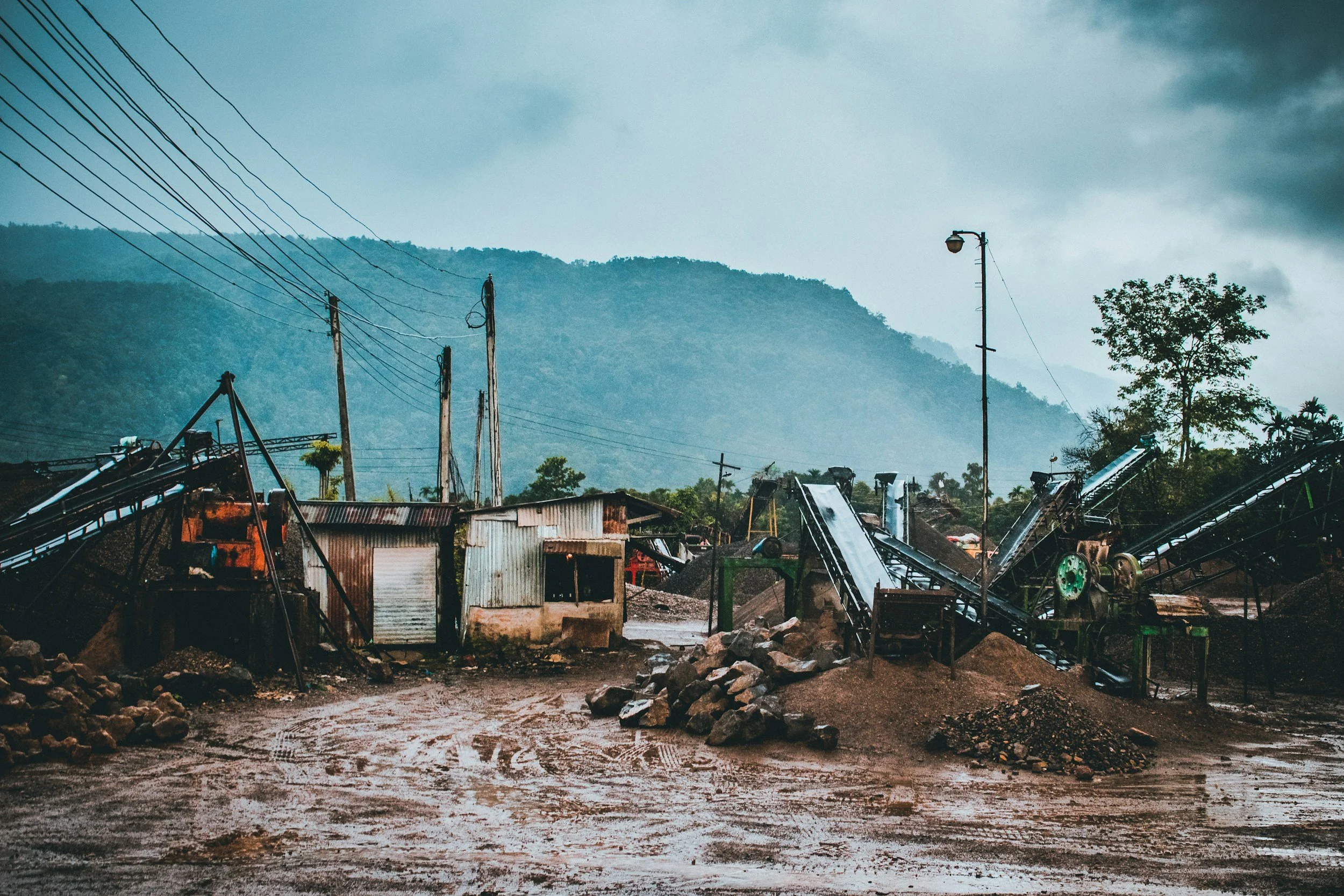
The Global Methodist Church and Disaster Response Teams (DRT) primarily respond to natural disasters by invitation from the local church or government Emergency Managers to deploy. Although natural disasters are the primary focus of this ministry, we also recognize that the local church and local, district, and conference DRTs and resources may initiate a response to or be requested to deploy to other types of disasters. These may include accidental, civil, and other disasters where trained DRTs may enter to aid in similar types of assistance as given with natural disasters (e.g. clean up, damage assessment, donations management, etc.). No volunteers shall be requested or deployed to areas of war, riots, or other areas where violence is occurring, and the chance of harm is elevated. Neither will they be deployed to events that require specialized training and resources for environmental disasters (e.g. pollution and chemical accidents).
Since the local church takes the lead in responding to an impacted area, GMC Response ministries may be active from low-level disasters to high-level disasters. Local DRTs or the local church can ask for assistance from the district and conference if the impact of the disaster exceeds their ability to respond. Annual conferences may request assistance from other annual conferences and the general church leadership upon identifying any needs in materials, donations, or volunteer assistance. Communication will be critical.
Local churches impacted by natural disasters may be limited in their capacity to manage emergency response care. For this reason, it is recommended that the Annual Conference DR Coordinator initiate contact with local church leadership in an impacted area, to identify the capacity of local churches to respond, needs beyond their capacity, and to assist in the coordinating of supportive response. Communication between the AC Disaster Response Coordinator and the General Conference Disaster Response Director can assist in bringing coordinated response by AC's that are also able to provide response services.
“Do all the good you can, by all the means you can, in all the ways you can, in all the places you can, at all the times you can, to all the people you can, as long as ever you can.”
— John Wesley